 CLARYS Medical Memory
Find the patient’s clinical history, whatever the software.
Medical history, events, care pathway: the patient’s whole story at a glance.
CLARYS Medical Memory lays out the essentials of care and support pathways over time. Guirlande and clinical search make them easy to explore; CLARYS Intelligence reveals what they mean.
Emergency department note · Feb 14, 2025
…fall from standing height at home. X-ray: fracture of the distal end of the right radius…
…cast immobilization, follow-up X-ray of the fracture at day 10…
+ 2 more passages
Find relevant clinical information faster.
Fewer clicks, fewer documents to open: what matters about the patient, faster and more complete.
Guirlande
Patients seen across several facilities on a single timeline, with diagnoses, procedures and treatments visible without opening documents.
CLARYS Intelligence
Detected clinical findings · 1
CLARYS Intelligence
Detected clinical findings · 2
Consultation cart
Gather the documents you need and export them in one click: for a consultation, a tumor board or a medical record request.
Clinical search
The right passage in seconds, beyond titles and metadata.
Emergency department note · Feb 14, 2025
…fall from standing height at home. X-ray: fracture of the distal end of the right radius…
…cast immobilization, follow-up X-ray of the fracture at day 10…
+ 2 more passages
BODY
The patient’s problems at a glance, on an anatomical view. One click, and you’re in the document.
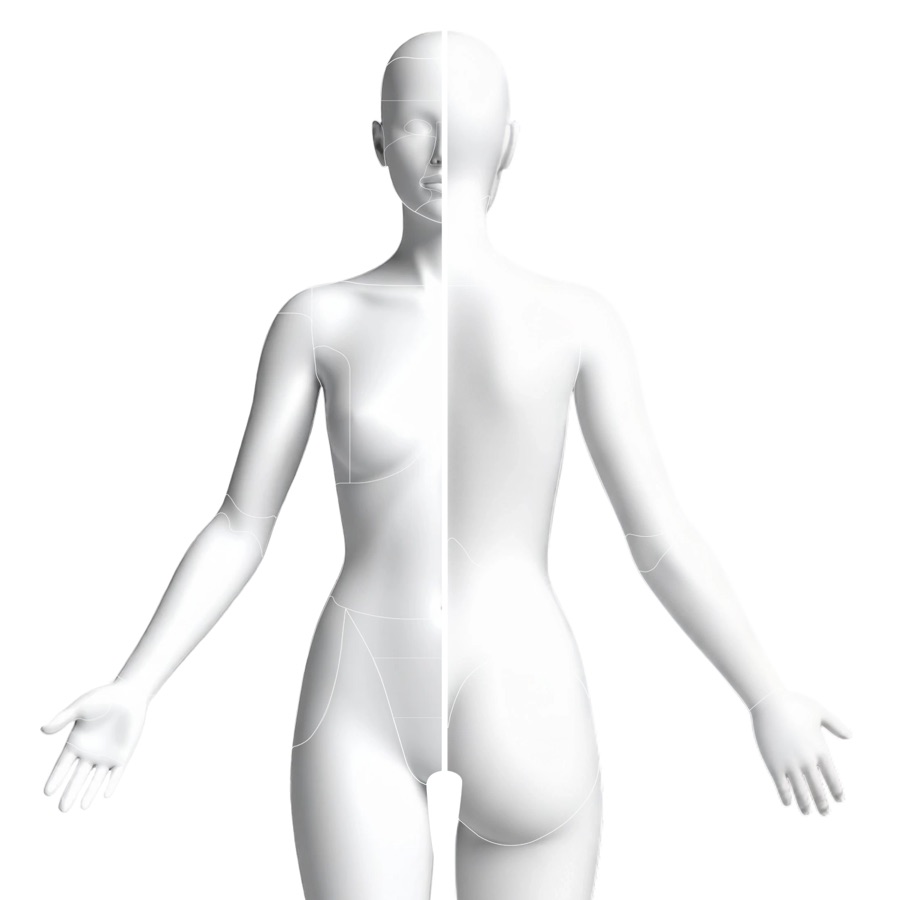
Breast structure
Conditions: 1
Documents: 7
Malignant neoplasm of breast
Sourced IPS
A summary in the HL7 IPS standard, traceable to each source mention, shareable (data or PDF) and translated without losing clinical meaning.
Patient summary
Mar 22, 2025 · International Patient Summary (FHIR-IPS)

70-year-old female patient with a documented history of malignant neoplasm of breast and fracture.
Patient problem history
- malignant neoplasm of breast, first mentioned in 2001 (age 46)
- fracture, first mentioned in 2025 (age 70)
Annotated viewer
Clinical concepts highlighted in the document, for faster reading.
56-year-old patient under follow-up for type 2 diabetes mellitus and hypertension.
Workup in March 2024 revealed iron deficiency anemia.
Current treatment: metformin 1000 mg twice daily.
The patient reports atypical chest pain on exertion.
Conclusion: continue follow-up, recheck glycated hemoglobin in three months.
7 concepts · 7 mentions
A history that follows the person. From care to support.
From hospital to home or a care facility, information gets scattered. Medical Memory brings it together in a medical and social memory, based on sources and access rights.
Continuity across pathways. Every handover starts from the available history, not a blank page.
Supported persons. Guirlande is designed to also include support events.
Lower cognitive load. Information already produced is found, not rebuilt.
A protected clinical asset. Standardized and software-independent, the clinical memory outlives the applications it came from.
Legacy EHR
Archived · read-onlyNew EHR
LiveRegional HIE (FHIR)
ConnectedA lever for continuity, safety and modernization.
Service continuity
History stays available during migrations and EHR outages.
IT rationalization
Fewer applications kept running just for read-only access.
Open standards
FHIR and HL7 IPS: interoperability without vendor lock-in.
Data put to work
A clinical asset ready for research and the EHDS.
A clinical memory today. New uses tomorrow.
This longitudinal memory paves the way for care pathway analysis, cohorts and specialized applications, as they are validated.
- HER2-positive breast cancerClinical finding
- Hormone receptor positiveObservation
- TrastuzumabProduct
Mentions by patient age
Key takeaways
The patient’s whole story, brought together and readable, whatever the software.
A longitudinal view
Stays, reports and events from several facilities, on a single timeline.
The essentials in seconds
Guirlande, clinical search and BODY: fewer clicks, fewer documents to open.
A clinical asset that outlives software
Standardized in FHIR, the memory stays accessible during migrations and beyond.

Start with one facility, one historical dataset or one source.
First, clinical viewing on a defined scope. Then semantic enrichment and new sources.